



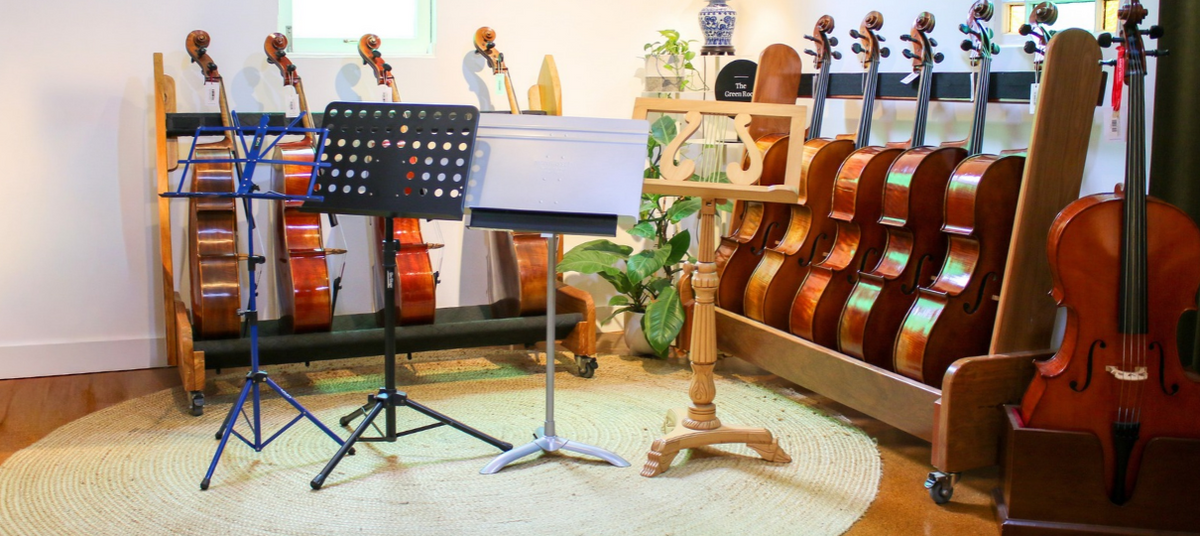
Choosing a music stand may feel inconsequential, but what you choose can actually make a noticeable difference to how comfortably you practice, rehearse and perform. For string players, the choice usually comes down to two main styles: folding and orchestral. Which one is right for you depends greatly on the instrument you play; the best music stand for cello may not be the same for violin. When choosing your stand, consider what you play, how you use your instrument and the specifics you need from your setup.
What are Folding and Orchestral Music Stands?
Both folding and orchestral music stands are designed for the same purpose; however, they suit different lifestyles and environments.
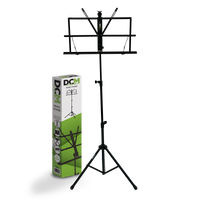
The best folding music stand will always be built with portability in mind; lightweight, easy to carry and collapsible into a compact shape. Many beginners start with a folding stand for their affordability and size economy.
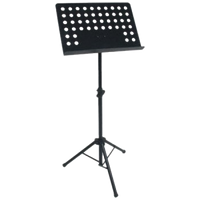
An orchestral music stand is generally made from heavier materials, and has a wider, more solid base. The desk, too, is usually larger and sturdier, allowing it to hold multiple pieces of sheet music. These stands are commonly found in orchestras, schools and professional rehearsal spaces.
Neither style is necessarily ‘better’ than the other; rather, they are built differently to suit the different priorities a musician may have.
Folding vs Orchestral Music Stands: What's the Difference?
The biggest difference between folding and orchestral music stands comes down to how they balance the following:
Portability
If you regularly travel with your instrument, a folding stand is the more practical choice. Folding stands are designed to collapse quickly and fit into a carrying bag or car boot, whereas orchestral stands are much less portable, generally heavier and bulkier.
Stability
When it comes to stability, orchestral stands tend to outperform folding. Orchestral stands have a heavier base and stronger construction, making them less likely to tip over.
Durability
Orchestral stands are designed for frequent, long-term use. Their solid construction generally makes them more durable, especially in busy rehearsal rooms and schools.
Folding stands can last when cared for; however, their moving parts and lighter materials mean they are better suited to regular transport over constant heavy-duty use.
Setup and Storage
Orchestral stands tend to take up more room as they usually stay assembled, while folding stands can be stored away in a cupboard until needed. The decision in this case comes down to how often you are likely to relocate your stand. If it’s largely going to stay in one place, consider an orchestral stand.
Which Music Stand Is Best for Your String Instrument?
The type of instrument you play as well as the way you play it are factors that will influence what sort of stand is right for you.
Violin & Viola
Violinists and violists often alternate between sitting and standing, depending on whether they're playing in an orchestra, chamber ensemble or solo performance.
The best music stand for violin and viola is one with adjustable height, allowing you to find a comfortable playing position in any setting. Taller musicians may benefit from a stand with an extended height range, such as the Manhasset Tall Symphony Stand.
Cello
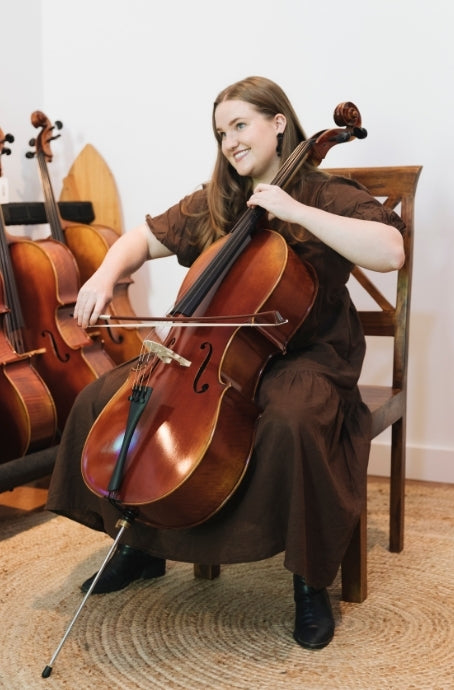
As cellists typically play seated, an extensive height range is less important than stability and practicality.
If you regularly use large scores or multiple pages of sheet music, a sturdy stand with a generous desk lip is a great choice. However, if you prefer to travel light or only need to hold a few pages of music, a lightweight folding music stand may be all you need.
Double Bass
Double bassists may play standing or seated on a stool, so choosing a music stand with a generous adjustable height range is important.
If you regularly use accessories or like somewhere to rest your bow between pieces, a sturdy music stand with a wider desk lip is a practical option. For even more storage space, consider adding a Manhasset Accessory Shelf to keep your essentials close at hand.
What Should You Look for When Choosing a Music Stand?
A few key factors separate a stand that lasts the distance from one that ends up replaced within a year.
Stability
If you regularly keep lots of sheet music and accessories on your stand, stability is especially important. A sturdy, well-balanced music stand will keep everything securely in place, so you can focus on playing without worrying about your stand shifting or tipping over.
Height adjustment
The right height allows you to maintain good posture while keeping your music at a comfortable and easy-to-read position. A stand that adjusts easily can be positioned to suit your height and playing position, whether you're sitting or standing
Portability
Being able to travel with your stand on a whim is important to many players. If that’s you, consider a stand that’s lightweight and easy to pack down and carry with you.
Desk size and durability
A student with a slim folder needs less support than an ensemble player juggling full scores and multiple pieces. Consider how you play, and what you play with before making your selection.
Common buying mistakes include
-
Choosing a stand based solely on price, rather than function
-
Prioritising portability when your stand will be largely in one place
-
Buying the wrong stand for your instrument or environment
All and any of these can lead to an unwanted and avoidable second purchase. Before buying, think about where, how, with what and for what your stand will be used, alongside your other accessories.
How to Choose the Right Music Stand for your Playing Style
The simplest way to decide on your music stand is to match it to your setup and routine. Folding stands suit players who travel frequently, whereas orchestral stands suit players who rehearse regularly in one unchanging space.
Frequently Asked Questions